Nathan Fellingham reflects on the importance of balancing deep theology and musical creativity
It was always going to be hard to avoid being drawn into music and worship song-writing, growing up in the household that I did.
My dad, himself a highly accomplished musician, composer and songwriter, had encouraged the learning of many different instruments during my childhood. I think I was 14 when I first quipped – in that inimitable, slightly arrogant, young teenager way – that I thought I could do a better job of the song he was currently writing! He graciously allowed me to make some suggestions and this led to our first co-write and my first song.
A couple of years later I wrote my first solo song – ‘Holy Holy’ (Lift Up His Name), which actually turned out to be the most prolific song I’ve ever written. Alongside a love of music, my dad also instilled in me a hunger for theology and the huge importance of singing songs and hymns which were full of truth. I’ve certainly always sought to do that in the songs that I write, and I think that this process of trying to distill rich theology into a form that people can then sing has helped to stimulate a desire to read, understand and then re-articulate.
Life changing... or forgotten?
However, experience has shown that this process goes better some times than others, and many a song which I thought would be a catalyst for life-changing revelation for anyone who heard it has ended up… well… forgotten! It seems there’s more to it than merely finding some great lines of Scripture or theological writing and attaching it to a melody.
Personally, I think that when Paul exhorts his readers to ‘sing to one another psalms, hymns and spiritual songs’, he understands that singing in some way allows truth to take root in people’s hearts in a unique way (Eph. 5:19). Rather than the music being like a shiny sweetie wrapper to be discarded once the contents have reached their intended destination, there is actually a transforming quality to the music itself.
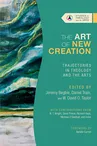
Of course it’s easy to push this too far. Faith comes through hearing the word of Christ, not through the chord of E-flat minor 7! But if music were just ‘the mere carrier of some predetermined theological “message”’ and no more, it would be much easier to write songs and hymns than it is in reality. I suspect it’s likely that a fear of emotion leading astray or obscuring doctrinal clarity can lead to a suspicion of creative excellence, which in turn prevents music doing the job that only it can do – when it’s done well.
Formal theological training
In recent years I’ve given time to more formal theological training, which I’ve loved. Being able to run intricate theological details past lecturers when writing songs is a privilege and joy. I hope that my study will lead to the kind of songs that really will teach, admonish, encourage and increase genuine delight for God in those who sing them.
But I also think I need to stay in touch with the slightly more naïve 17-year-old who loved music and wanted to use it to sing simple songs to God.
I know I still have plenty more to learn about theology and a lot more to learn about music! But I suspect that I need to be careful not to neglect either one if I want people to sing my songs. I also hope that in our churches we can learn to find and encourage those with musical gifting and learn how to let them breathe a little.
It’s all too easy to close creatives down too quickly – especially when we have that ‘sweetie wrapper’ mentality. In order to stay motivated and inspired it’s important for them to know that the development and encouragement of their musical gifting is a worthwhile pursuit in and of itself – not only to the extent that it serves another agenda. If at the same time we also make sure they’re exposed to regular Bible teaching that shapes and inspires them to create in a way which is faithful to God’s word, I’m confident we’ll all benefit from the fruit that comes.