SIX WEEKS
The short and gallant life of a British officer in
the First World War
By John Lewis-Stempel.
Orion. 368 pages. £9.99
ISBN 978 1 409 102 144
If you only read one book about the First World War in this centenary year, let me suggest that this might be it.
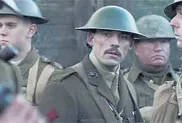
An inspiring military and social history, it tells the story of the thousands of junior officers who lived and died among the trenches and in no man’s land on the western front.
Youthful leadership
A unique cultural group, these young men were largely, though not exclusively, drawn from the English public school system. And in a time when even competitive sport is being questioned by the liberal élite of our day, it was the principles of self-denial, duty and courage in the face of adversity which enabled them to accept the challenges of leadership at such an early age.
Absent qualities
Of course it is all too easy with hindsight to caricature the boyish enthusiasm which marked Lord Kitchener’s recruits, and even at the time it had its critics, but there is no doubt that many of the qualities which marked that generation are conspicuous by their absence today.
The society in which they grew up was marked by integrity and duty to one’s fellow man and, while there was no doubt a certain naivety, it is too easily dismissed by current ideas of blind allegiance or paternalism.
First over the top
It is sobering to discover that the title, Six Weeks, was in fact the average time a young subaltern could expect to serve on the front line before being fatally or, at least, seriously wounded. But then again they were the first ‘over the top’ in attack and last back to the trench in retreat; and, armed with only a revolver and a whistle to rally their men, they were too often a soft target for the enemy. So while the expression ‘lions led by donkeys’ may (or may not) apply to the ordinary troopers’ relationship to the ‘top brass’, these junior officers were distinctly among the lions!
Warrior and father
In fact they literally fought, ate, slept and died shoulder to shoulder with the largely working-class men under their command. Enduring the winter rains and mud, then the swarms of flies and stench of decaying corpses in the heat of the French summer, they encouraged, comforted and campaigned on behalf of those they would rarely have met in the ordinary course of life. Indeed ‘the officer in the trenches was both warrior and father’ (p.151).
Often still in their teens, they would lead night patrols and endure the terrors of the trench raid, then, in the quiet times while awaiting the next ‘push’, work tirelessly to improve the lot of the average Tommy in their platoon and battalion. Siegfried Sassoon wrote: ‘I am only here to look after some men’, a concern which ranged from rubbing their feet with grease, or negotiating for dry socks and hot meals, to writing to bereaved loved ones back home. Here we meet men who were literally prepared to lay down their lives for others from a less affluent background without resentment nor from a cold sense of duty.
The book is rich in archive material, illustrated and beautifully written, with a great selection of quotations from the letters, poetry and prose of the lost generation. Sassoon, Graves, Owen and Blunden readily come to mind, but wonderful lesser known personalities emerge as well.
Rooted in Christianity
From a Christian perspective, it is clear that the lives of these young leaders were rooted in a Christian world-view, which was sharpened by the noise of battle and impending death. There are clear examples of genuine faith, as well as reminders of the courage of the army chaplains who shared their world and often their fate. Indeed I would suggest that as soldiers of Jesus Christ many of us could extract some valuable lessons for ourselves today.
Pastors in particular will find it challenging and inspiring as they evaluate their own leadership qualities. Chapter 5 (To Serve Them All My Days) is especially poignant in this regard and alone makes the book worthwhile.
So while Jeremy Paxman will grace our TV screens and the shelves of Waterstone’s will groan under the weight of other WWI histories, this will remain for me one of the most moving and inspiring of them all.