
The state of Victoria is on the brink of passing a Bill* that would see someone face ten years in jail for engaging in anything it classifies as ‘conversion therapy’. The Bill details how it will be prohibited to provide a talking therapy, or prayer, even if requested to do so, resulting in people being denied the chance to explore aspects of their lives with a pastor or qualified therapist.
In his blog, Australian pastor Murray Campbell called for the ambiguity of the Bill, with regard to prayer, to be clarified. He writes: ‘For teaching abstinence or offering pastoral counselling in line with the Bible’s vision of sexuality, and praying with fellow believers that they will be godly … does this fall foul of the Bill?’
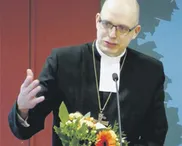
Campbell (pictured) condemned abusive practices. He noted that it is impossible for Christians to ‘distance themselves’ from them though. as the ideas were developed by secular groups, only a few extreme groups have used them, and most Christians don’t even know of those practices.
Ethical bogymen
A UK-based psychotherapist and Christian, Bruce Scott told en: ‘Calls for bans on conversion therapy are ethical bogymen. It is widely recognised by the main UK psychotherapy organisations that “Conversion Therapy” is an ethical red line. Moreover, therapists who can distinguish what psychotherapy can and cannot do (practically and ethically) recognise that is unethical to accept a demand for “conversion” or to guarantee any kind of change, not just within the realm of sexuality. At the end of the day, it is not for the job of the therapist to judge, to affirm or not to affirm what a person does in their life. A good outcome of therapy is that a person can come to feel able to choose how to live their life. People who come into therapy are invited to speak freely about what troubles them. People should be allowed to talk about anything in their lives that troubles them to a therapist. If you stop people talking, it prevents conversation; it can lead to suppression, feelings of not being able to be heard, listened to, isolation, and can create a myriad of other problems.
‘Therefore, a mandated positive affirmation model (in law), whereby anyone who presents as LGBT must be affirmed even if they have a desire to explore this, could in itself be argued to be unethical and problematic.



Bondi Beach: When Jewish history repeats itself
Bondi Beach forces our wider society to ask the difficult question. Why are Jewish people not safe? Hanukkah offers …