Food. It’s all around.
Adverts tantalise, discount codes abound and supermarkets indulge in the relentless sell. It’s a gift from God – designed to be a delight – and some of us manage to eat healthily.
But lots struggle. For many it is not just fuel, it’s our go-to tool to manage emotions. And whether that shows itself in a desire to comfort eat in times of stress or an all-consuming drive to starve or purge – it’s becoming increasingly common for our daily bread to feed us a diet of hurt.
Eating for the wrong reasons
Eating disorders are the technical term, and those wrestling with the snare of anorexia (a drive to lose weight), bulimia (a compulsion to binge then purge) or compulsive eating (the urge to eat and keep on eating) know how overwhelming such conditions can be. Those of us supporting often focus on the food: ‘just eat a little more’ – ‘go on a diet’ – ‘don’t go near the toilet for an hour after your meal’. But such comments rarely help – the roots of our problem lay much deeper.
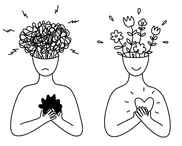
Many of us who struggle with food, struggle more with our view of God and ourselves. That’s not to say there aren’t societal pressures (the size zero model and body sculpting phenomena have encouraged many to feel inadequate) – and our biochemistry can play a part – but our desires stem from inside and that’s where the real battlefield lies.
Often our perceptions are skewed by the reality of pain. It might be the bully calling us ‘fat and ugly’, or the awfulness of physical abuse. For a few, it’s the horrors of sexual assault – violation in the extreme. Such experiences often cause us to suspect we’re disgusting or worthless. We can muse that bad things happen to bad people so ‘clearly’ we must be awful. Or maybe it’s God that’s bad … if he were good, surely he would stop the pain? Or is he impotent? Maybe he couldn’t step in? Those falsehoods rarely come out of our mouths, but the thoughts lurk in our hearts – in the wake of the suffering, they seem credible and we live in their light.
God of love in control
When we don’t believe God wants to comfort us, some of us will turn to food to provide relief. When we aren’t convinced God is sovereign, some of us exert control by counting each calorie. When we feel tainted by ‘bad stuff’ inside, some of us use vomiting or laxatives in a symbolic act of cleansing … to name but three pathways to disordered eating. Such things bring short moments of relief, but the peace never lasts.
However, there is hope. Seeing a GP and a dietician can be an excellent source of nutritional wisdom – and, at times, antidepressants can help – but it is within the church family that life-saving heart surgery takes place. It’s as we see God’s sovereignty more clearly that we move away from wanting to control life ourselves (Mark 1-8). It’s as we see God as our rock and refuge (Psalm 71) that we begin to seek comfort in him rather than food. It is as we see ourselves as fully forgiven – cleansed from all we have done and given robes of righteousness that cover the stains of the sin done to us (Philippians 3) – that we move away from the desire to clean ourselves.
And, as a church family, we can encourage each other to remember those truths. We can read Scriptures and pray for each other to take off our old selves and put on the new (Ephesians 4). We can encourage hurts to be poured out to the Lord. We can repent together of our tendency to replace God with food and rejoice together in the certainty of grace. We can share lives together in ways that don’t involve a meal (church walks are great!) We can keep food diaries and be accountable for treating our bodies well – increasing or decreasing our intake in manageable stages. And we can cultivate an attitude of thankfulness for God’s good provision of food. After all, one day, we have a feast to look forward to (Isaiah 25.6) and there won’t be a hint of disorder there.